From Vision to Reality: How Event Planners Can Elevate Your Non-Profit Charity Events
Event organizers function as indispensable collaborators for non-profits, turning visionary concepts into concrete achievements. Their expertise bridges gaps in event coordination, partner relationships, and conceptual innovation. By embracing calculated budgeting approaches and harnessing digital media, they enhance fundraising efforts and community engagement. Nevertheless, the path from idea to implementation is complex. Understanding how to select the right planner and implement effective strategies can greatly impact an event's success. Which factors will truly determine that achievement?
The Role of Event Planners
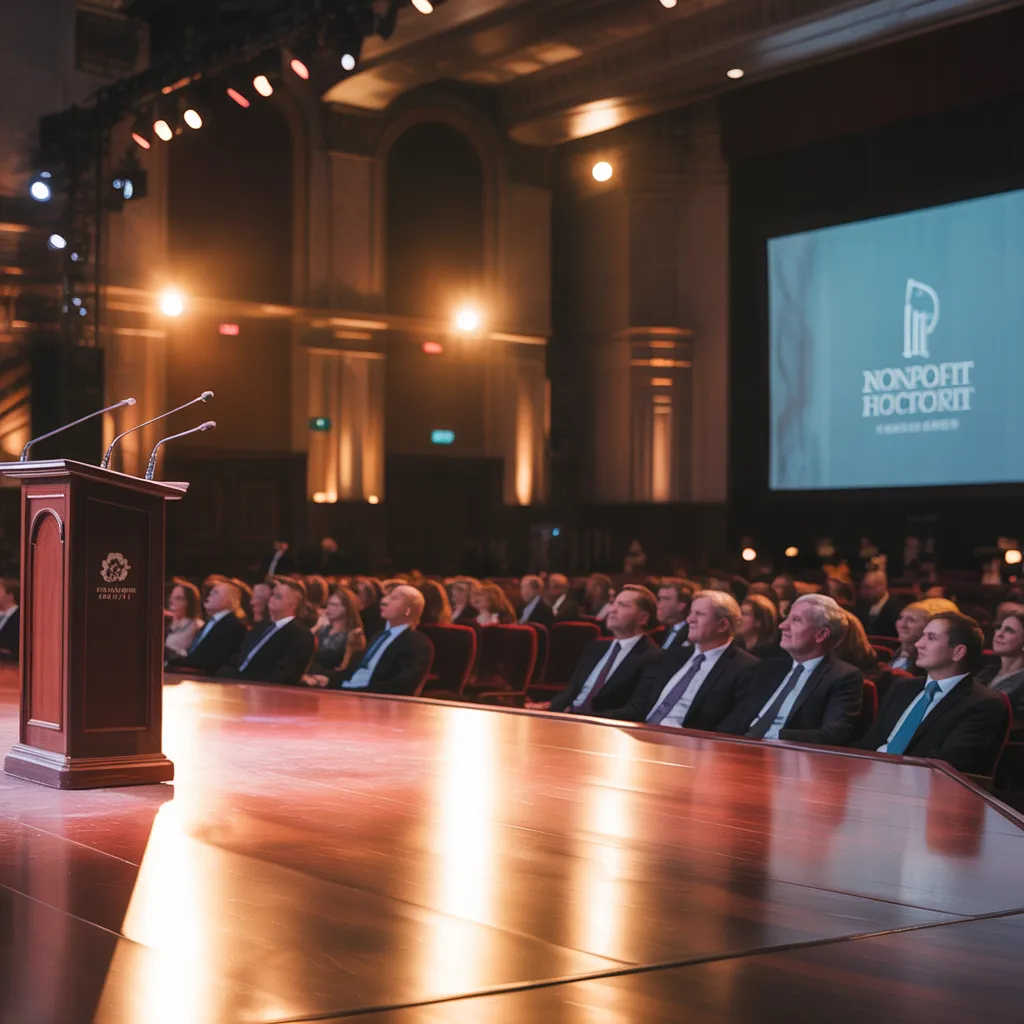
Event organizers function as the backbone of non-profit fundraising events, managing every element to achieve success. Their main duty entails grasping the goals and vision of the organization, converting these into a comprehensive event approach. They oversee operations, such as venue selection, catering, and audiovisual requirements, ensuring that all elements align with the event's goals.
Furthermore, event planners are skilled in budgeting, helping organizations to maximize their resources while minimizing costs. They build relationships with vendors and sponsors, securing contracts that support the charity's financial objectives.
Alongside operational responsibilities, they also prioritize marketing the event, employing digital platforms and conventional methods to increase turnout and involvement. Through organizing volunteers and team members, they build an effective team structure, guaranteeing seamless execution on the day of the event. Ultimately, the function of an event coordinator is essential in enhancing the total effectiveness and achievement of non-profit charity events.
Finding Your Event Planner
How does a non-profit organization make certain it finds the most suitable event planner for its charity event? The hiring process commences with locating planners who carry relevant experience in the non-profit sector. Organizations are encouraged to examine portfolios and case studies so as to measure previous accomplishments and applicable expertise. Conducting interviews with potential planners offers meaningful insight into their comprehension of non-profit missions and core values.
Moreover, groups should seek suggestions from colleagues or professional networks to ascertain trustworthiness. Interviewing applicants about their event planning methodology, problem-solving strategies, and perspective on the event can demonstrate alignment. Cost-related aspects are also critical; event planners must offer clear pricing frameworks that suit the organization's financial constraints. Ultimately, examining communication approaches is necessary—effective collaboration depends on clear and open dialogue. By thoroughly evaluating these aspects, a nonprofit organization can confidently choose an event coordinator who will meaningfully transform its philanthropic gathering.
Powerful Themes That Resonate
What elements make a theme truly compelling for a charity event? A successful theme resonates with the audience and aligns with the mission of the non-profit. It ought to inspire emotion, fostering curiosity and involvement among participants. For instance, a "Masquerade Ball" can create an air of mystery, encouraging guests to connect through shared experiences.
In addition, themes must be visually captivating, boosting the overall atmosphere and leaving the event unforgettable. Including interactive elements, such as live art or photo booths, can further captivate participants.
Furthermore, a well-defined theme can simplify the event planning process, shaping decisions surrounding decor, food, and entertainment. By guaranteeing that all facets of the event reflect the chosen theme, planners can craft a seamless experience that amplifies the charity's core message. At the end of the day, a captivating theme not only engages attendees but also nurtures a more meaningful connection to the initiative, inspiring generosity and support.
Effective Financial Planning for Charity Events
An engaging theme establishes the atmosphere for a charity event, but effective budgeting guarantees its successful execution. Effective budgeting requires a comprehensive evaluation of both fixed and variable expenses, making certain that every dollar supports the event's objectives. Event planners often recommend establishing a clear budget framework that includes venue costs, food and beverage, advertising, and entertainment options.
Prioritizing spending is essential; organizers recommend pinpointing key components that support the event's purpose. Additionally, pursuing in-kind contributions and sponsorships can significantly lower expenses, freeing up additional budget to be allocated toward the primary objective.
Routine financial reviews across the planning timeline can help mitigate financial surprises. Through open communication with stakeholders about costs, stronger trust and teamwork can develop. In the end, thoughtful financial planning not only strengthens the event's effectiveness but also reinforces the non-profit's credibility, confirming that contributors understand the positive impact of their involvement.
Efficient Logistics Management
Efficient logistics planning is critical for the success of non-profit charity events. This involves streamlined venue organization, optimized vendor relationships, and timely schedule management to guarantee that every detail aligns seamlessly. By emphasizing these components, charity event organizers can create a smooth experience that strengthens the event's overall influence.
Efficient Venue Coordination
Even though choosing the proper venue is vital for a prosperous charity event, skillfully handling logistics can significantly impact the overall outcome. Successful venue coordination requires careful planning, from floor plan development to attendee accessibility. Event coordinators must confirm that the location can support the projected attendance while enabling unobstructed traffic flow across the event. Adequate signage, organized seating, and dedicated spaces for check-in and activities are essential for improving attendee participation. Moreover, consistent communication with venue team members is key to resolving any unanticipated problems. By coordinating these details efficiently, event organizers can establish a welcoming environment that enables attendees to concentrate on the event's purpose, ultimately contributing to enhanced fundraising outcomes and broader community engagement.
Simplified Vendor Partnerships
Moreover, pre-arranged vendor agreements often generate meaningful cost savings, which is essential for non-profit financial planning. A thoughtfully structured vendor network also fosters creativity, as event planners can leverage the specialized knowledge and creative input of every partner. In summary, well-managed vendor relationships establish a unified and polished environment, playing a major role in the event's achievement and the organization's long-term mission.
Efficient Schedule Management
When overseeing a charity fundraising event, punctual scheduling is vital to secure smooth operations. Planning teams must build a comprehensive schedule that covers all elements of the event, from vendor arrivals to guest check-ins. This meticulous planning decreases the likelihood of delays and confirms that all staff members are clear on their roles. Regular check-ins and updates keep everyone informed, allowing for quick adjustments if unforeseen issues arise. In addition, a properly designed schedule accounts for preparation and teardown periods, guaranteeing that the venue is properly prepared for attendees. By focusing on prompt scheduling practices, event planners can boost the overall guest experience, optimizing involvement and contributions to the nonprofit's goals while encouraging an efficient implementation of the occasion.
Fresh Engagement Concepts for Charity Events
Innovative involvement strategies can considerably improve the appeal of fundraising occasions. Incorporating participatory fundraising efforts, curated event themes, and successful online engagement methods can nurture deeper connections with audience members. Such methods don't just increase involvement but also strengthen the collective influence of the event.
Dynamic Fundraising Activities
Involving participants in fundraising events requires innovation, and dynamic fundraising activities can transform standard gatherings into dynamic experiences. These activities not only promote community involvement but also inspire participants to participate enthusiastically. Possibilities such as live auctions, where guests compete for exclusive items, or engaging activities that integrate giving incentives can considerably improve engagement. Moreover, integrating modern technology, like mobile apps for live fundraising progress, enables direct engagement. Initiatives, such as charity walks or scavenger hunts, can also motivate guests while generating donations. By embedding these engaging components, event coordinators cultivate an enjoyable atmosphere that not only generates funds but strengthens bonds among attendees, ultimately amplifying the impact of the charity event.
Specialty Themed Event Experiences
Developing themed event concepts can greatly elevate the atmosphere of fundraising occasions. Through choosing a unified theme, event planners can create immersive environments that connect with guests. Ideas like masquerade balls, vintage fairs, or cultural festivals can enhance engagement and cultivate a feeling of togetherness. Creative embellishments, outfits, and events aligned with the theme can stimulate conversation and promote engagement. As an illustration, a \"Jazz Age\" theme might incorporate classic jazz, retro styling, and prohibition-era drinks, delivering an unforgettable occasion. Furthermore, themed gatherings can direct fundraising approaches, with auction items and donation drives aligned with the concept. Ultimately, a well-executed theme not only engages but also strengthens the emotional connection to the cause, consequently amplifying the event's impact.

Social Media Participation Strategies
Harnessing the power of social media can significantly boost the reach and impact of charity events. Event coordinators can leverage platforms like Instagram, Facebook, and Twitter to create buzz before, during, and after events. Captivating content, such as real-time streaming, exclusive behind-the-scenes footage, and live updates, keeps audiences involved. Including interactive elements, like interactive polls and branded hashtags, inspires guests to share their moments, strengthening community involvement. Additionally, producing shareable visuals and marketing videos can increase exposure. Post-event, organizers should solicit feedback and testimonials from attendees, facilitating authentic engagement and reinforcing future partnerships. By implementing these strategies, see the details event coordinators can turn social media into an effective platform for elevating charity events and broadening their impact.
How to Assess Event Success
How can event planners effectively measure the success of a non-profit charity event? While success metrics may differ, a number of important indicators offer meaningful insights. First, financial outcomes are vital; organizers should assess the amount raised in comparison to the targets established before the event. Additionally, participant feedback plays a critical role; post-event surveys can gauge satisfaction and engagement levels. Furthermore, social media data, encompassing shares, likes, and comments, can demonstrate the event's broader reach and its influence within the community.
Furthermore, assessing the number of new supporters or volunteers acquired during the gathering can signal long-term engagement potential. One more critical aspect is media attention, as greater visibility can elevate the standing of the organization. Lastly, coordinators should review logistical execution, including the ratio of attendance to registration figures. Through the integration of these metrics, organizers can achieve a complete picture of the event's overall success and recognize opportunities for future enhancement.
Frequently Asked Questions
How Can I Find Volunteers for My Charity Event?
To secure volunteers for a charity event, one can utilize local community boards, volunteer organizations, and social media. Moreover, engaging with schools and universities commonly results in enthusiastic participants keen to contribute their time and skills.
What Permits Are Required for Hosting Charity Events?
When organizing charity events, event planners generally require permits including special event authorizations, permits for outdoor venues, and alcohol licenses. Requirements vary by location, so reviewing local guidelines is crucial for proper compliance and effective planning.
How Can I Promote My Charity Event Effectively?
To promote a charity event effectively, it is essential to leverage popular social networking sites, connect with local press outlets, work alongside influential personalities, develop visually compelling graphics, and stimulate grassroots word-of-mouth sharing while presenting attractive rewards for those who attend and participate.
What Are Common Pitfalls to Avoid During Charity Events?
Common pitfalls during charity events include insufficient organization, improper venue decisions, limited outreach, disregarding donor acknowledgment, and failing to utilize volunteers effectively. Tackling these challenges can significantly improve the event's impact and overall outcome.
How Can I Follow up With Donors Following the Event?
Reaching out to donors following an event includes expressing gratitude through personalized emails or handwritten notes, highlighting memorable aspects of the event, offering insights into how their donations made a difference, and encouraging continued involvement in upcoming projects.